
How to Become a Cyber Security Analyst: Step-by-Step Guide

As businesses continue to depend on digital platforms, cybersecurity has become a critical requirement for protecting sensitive information, networks, and applications. The increasing number of cyber threats, including ransomware, phishing attacks, and data breaches, has created a strong demand for skilled cybersecurity professionals.
A Cyber Security Analyst plays an important role in identifying security risks, monitoring systems, investigating threats, and helping organizations maintain secure digital environments. For students and IT professionals looking to build a career in this growing field, developing the right technical knowledge and practical skills is essential.
At IG Institute, the Cyber Security Course is designed to help learners understand cybersecurity fundamentals, gain hands-on experience with industry-relevant tools, and develop the skills required to start a career as a Cyber Security Analyst.
Why Choose a Career as a Cyber Security Analyst?

The demand for cybersecurity professionals is growing rapidly as organizations face increasingly complex security challenges. Companies across banking, healthcare, technology, government, and other industries require experts who can protect their digital assets and respond effectively to cyber incidents.
A career as a Cyber Security Analyst offers opportunities to work with advanced security technologies, analyze cyber threats, and continuously develop new skills. It is an ideal career path for individuals interested in technology, problem-solving, networking, and digital security.
Step-by-Step Guide to Become a Cyber Security Analyst
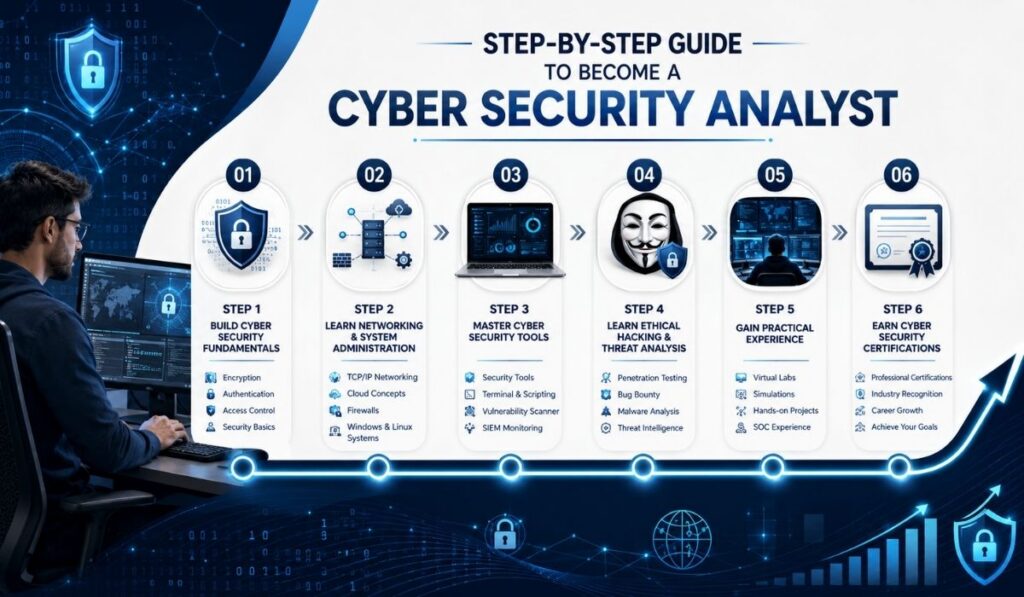
Step 1: Build Cyber Security Fundamentals
The first step in becoming a Cyber Security Analyst is understanding the basics of information security. A strong foundation helps learners understand how cyber attacks happen and how security professionals protect systems from potential threats.
Key concepts include network security, access control, authentication, encryption, vulnerability management, and common cyber attack techniques.
A structured Cyber Security Course helps beginners learn these concepts in the right sequence and build confidence before moving into advanced topics.
Step 2: Learn Networking and System Administration
Cybersecurity professionals need a strong understanding of how networks and operating systems function. Since many cyber attacks target network infrastructure, networking knowledge is essential for identifying vulnerabilities and monitoring suspicious activities.
Learners should understand concepts such as TCP/IP, DNS, firewalls, VPNs, Windows security, and Linux environments.
At IG Institute, learners are introduced to practical cybersecurity concepts that help them understand how security is applied in real-world scenarios.
Step 3: Develop Knowledge of Cybersecurity Tools
Cyber Security Analysts use various tools to detect threats, analyze vulnerabilities, and monitor security events.
Some commonly used cybersecurity tools include Wireshark for network analysis, Nmap for scanning, SIEM platforms for monitoring security events, vulnerability scanners, and penetration testing tools.
Practical exposure to these tools helps learners move beyond theoretical concepts and develop job-ready cybersecurity skills.
Step 4: Learn Ethical Hacking and Threat Analysis
Understanding attacker techniques is an important part of cybersecurity. Ethical hacking teaches professionals how to identify weaknesses before malicious attackers exploit them.
Learners explore topics such as vulnerability assessment, penetration testing concepts, malware awareness, phishing techniques, and security testing methodologies.
This knowledge helps Cyber Security Analysts understand threats and implement effective security solutions.
Step 5: Gain Practical Experience
Cybersecurity is a skill-based field where practical knowledge plays a major role. Working on security labs, simulations, and hands-on exercises helps learners understand how cybersecurity concepts are applied.
A good Cyber Security Course should include practical activities that allow students to analyze security scenarios, use cybersecurity tools, and develop problem-solving abilities.
Step 6: Earn Cyber Security Certifications
Certifications can strengthen your cybersecurity profile and demonstrate your technical knowledge to potential employers.
Popular certifications include:
- CompTIA Security+
- Certified Ethical Hacker (CEH)
- CompTIA CySA+
- CISSP
Professional training programs like the Cyber Security Course at IG Institute help learners prepare with structured lessons and practical guidance.
Skills Required to Become a Cyber Security Analyst
A Cyber Security Analyst needs a combination of technical and analytical skills.
Important skills include:
- Network security knowledge
- Threat detection and analysis
- Vulnerability assessment
- Incident response
- Security monitoring
- Understanding of cybersecurity tools
- Problem-solving ability
- Attention to detail
Developing these skills helps professionals handle real-world security challenges effectively.
Career Opportunities After Completing a Cyber Security Course

After gaining cybersecurity knowledge and practical skills, learners can explore various career opportunities, including:
- Cyber Security Analyst
- SOC Analyst
- Information Security Analyst
- Security Engineer
- Ethical Hacker
- Penetration Tester
With experience and continuous learning, cybersecurity professionals can progress into advanced roles such as Security Consultant, Security Architect, or Cybersecurity Manager.
Cyber Security Analyst Tools
Cyber Security Analysts use a wide range of tools to identify threats, monitor systems, analyze vulnerabilities, and respond to security incidents. Learning these tools is an important part of becoming job-ready in cybersecurity. During a Cyber Security Course, learners are introduced to security tools that help them understand real-world security operations and threat management.
Some commonly used Cyber Security Analyst tools include:
Wireshark
Wireshark is a network analysis tool used to capture and analyze network traffic. Security professionals use it to identify unusual network activities, troubleshoot issues, and investigate potential security threats.
Nmap
Nmap (Network Mapper) is used for network scanning and vulnerability discovery. It helps security professionals identify connected devices, open ports, and possible weaknesses within a network.
SIEM Tools
Security Information and Event Management (SIEM) platforms help analysts collect, monitor, and analyze security data from different sources. Tools such as Splunk and Microsoft Sentinel are commonly used for detecting suspicious activities and managing security alerts.
Kali Linux
Kali Linux is a popular operating system used for penetration testing and cybersecurity learning. It includes various tools for vulnerability assessment, security testing, and ethical hacking.
Metasploit
Metasploit is a penetration testing framework used to identify and test system vulnerabilities. Security professionals use it to understand attack methods and improve defensive strategies.
Nessus
Nessus is a vulnerability scanning tool that helps identify security weaknesses in systems, applications, and networks. It is widely used for vulnerability assessments and security audits.
Understanding these tools helps Cyber Security Analysts perform tasks such as threat detection, vulnerability analysis, security monitoring, and incident investigation.
Cyber Security Analyst Salary
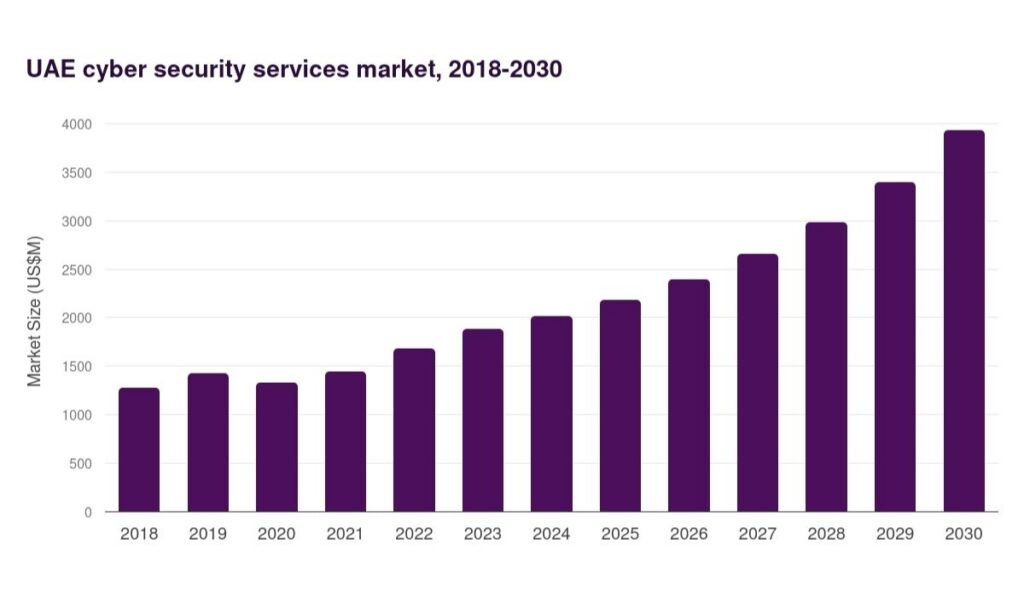
The salary of a Cyber Security Analyst depends on factors such as experience level, technical skills, certifications, location, and industry demand. As organizations continue investing in cybersecurity, professionals with strong security knowledge and practical skills are seeing increasing career opportunities.
For beginners, entry-level Cyber Security Analysts or SOC Analysts can start their careers with competitive salaries while gaining practical experience. As professionals develop expertise in areas such as ethical hacking, cloud security, penetration testing, and incident response, their earning potential increases.
In the UAE and other technology-driven markets, cybersecurity professionals are in high demand due to the growing need for digital security and compliance.
The average salary range can vary based on experience:
| Experience Level | Typical Roles | Approximate Salary Range |
|---|---|---|
| Entry Level (0–2 years) | Junior Cyber Security Analyst, SOC Analyst | AED 5,000 – AED 12,000 per month |
| Mid Level (3–5 years) | Cyber Security Analyst, Security Engineer | AED 12,000 – AED 25,000 per month |
| Experienced Level (5+ years) | Security Consultant, Security Architect, Cybersecurity Manager | AED 25,000+ per month |
(Salary ranges may vary depending on skills, certifications, company, and market conditions.)
Certifications such as CompTIA Security+, CEH, CySA+, and CISSP, along with practical experience gained through a professional Cyber Security Course, can help improve career growth and salary opportunities.
Why Choose IG Institute for Cyber Security Training?

Choosing the right training institute plays an important role in building a successful cybersecurity career. The IG Institute Cyber Security Course focuses on providing learners with:
- Industry-relevant cybersecurity concepts
- Practical training and hands-on learning
- Understanding of cybersecurity tools
- Career-focused learning approach
- Guidance to develop professional skills
Whether you are a beginner starting your IT journey or a professional looking to upgrade your skills, IG Institute helps you build the foundation required for a career in cybersecurity.
Conclusion
Cybersecurity offers excellent career opportunities for individuals who want to work in technology and digital protection. Becoming a Cyber Security Analyst requires a combination of technical knowledge, practical experience, and continuous skill development.
By enrolling in a structured Cyber Security Course at IG Institute, learners can gain the skills, confidence, and practical understanding needed to begin their cybersecurity career journey and prepare for opportunities in the growing information security industry.
Frequently Asked Questions (FAQs)
1. What does a Cyber Security Analyst do?
A Cyber Security Analyst protects an organization’s digital systems, networks, and data from cyber threats. Their responsibilities include monitoring security alerts, identifying vulnerabilities, analyzing threats, investigating incidents, and implementing security measures to prevent cyber attacks.
2. How can I become a Cyber Security Analyst?
To become a Cyber Security Analyst, you need to build knowledge in cybersecurity fundamentals, networking, operating systems, security tools, and threat analysis. Completing a Cyber Security Course, gaining hands-on experience, and earning industry-recognized certifications can help you develop the skills required for this career.
3. Is coding required to become a Cyber Security Analyst?
Basic programming knowledge is helpful but not always mandatory for entry-level Cyber Security Analyst roles. Learning languages such as Python, Bash, and SQL can help professionals automate security tasks, analyze data, and understand vulnerabilities more effectively.
4. What skills are required to become a Cyber Security Analyst?
A Cyber Security Analyst should have skills in network security, vulnerability assessment, threat detection, incident response, security monitoring, and cybersecurity tools. Problem-solving ability, attention to detail, and analytical thinking are also important for success in this field.
5. Which tools should a Cyber Security Analyst learn?
Cyber Security Analysts commonly work with tools such as Wireshark for network analysis, Nmap for scanning, Kali Linux for security testing, Splunk for security monitoring, Nessus for vulnerability assessment, and Metasploit for penetration testing.
6. How long does it take to become a Cyber Security Analyst?
The time required depends on your existing IT knowledge and learning approach. Beginners can develop foundational cybersecurity skills within a few months through a structured Cyber Security Course, while gaining professional-level expertise may require continuous practice and experience.
7. What certifications are useful for a Cyber Security Analyst career?
Popular certifications for Cyber Security Analysts include CompTIA Security+, Certified Ethical Hacker (CEH), CompTIA CySA+, GIAC Security Essentials (GSEC), and Certified Information Systems Security Professional (CISSP). These certifications help validate cybersecurity knowledge and improve career opportunities.
8. What is the salary of a Cyber Security Analyst?
The salary of a Cyber Security Analyst depends on experience, skills, certifications, location, and employer. Entry-level analysts can start with competitive salaries, while experienced professionals in roles such as Security Engineer, Security Consultant, and Security Architect can earn significantly higher packages.
9. Can beginners join a Cyber Security Course?
Yes, beginners can join a Cyber Security Course. Many cybersecurity training programs start with fundamentals such as networking, security concepts, and threat awareness before moving into advanced topics like ethical hacking, vulnerability assessment, and incident response.
10. What career opportunities are available after becoming a Cyber Security Analyst?
After gaining cybersecurity skills, professionals can explore roles such as Cyber Security Analyst, SOC Analyst, Information Security Analyst, Security Engineer, Penetration Tester, Ethical Hacker, and Security Consultant. With experience, they can progress into advanced positions like Security Architect or Cybersecurity Manager.
11. Which is the best Cyber Security Course provider?
Choosing the right training provider is important for building a successful career in cybersecurity. A good Cyber Security Course should include practical training, industry-relevant tools, experienced trainers, and real-world security scenarios. IG Institute is one of the leading Cyber Security Course providers in the UAE, offering career-focused cybersecurity training for beginners and IT professionals. The course is designed to help learners develop practical skills in areas such as network security, ethical hacking, vulnerability assessment, security monitoring, and cyber threat analysis.


